India has a fraction of the golf courses its population and economy could support. Developers of premium residential townships, resorts and hospitality projects increasingly see a well-built golf course as an amenity that defines a project. Getting from an idea to an opening day, however, involves dozens of decisions that will shape the course for decades.
At SGDC India, we were set up specifically to deliver integrated, turnkey golf course development in India, from concept to completion. Here is how we think about the journey.
1. Feasibility and site
Before any design work, the fundamentals need checking: land area and shape, soil, topography, drainage, and, above all, water. A golf course in India will live or die by the reliability and quality of its water supply. Early decisions on water sources, storage and treatment are among the most important in the whole project.
2. Design
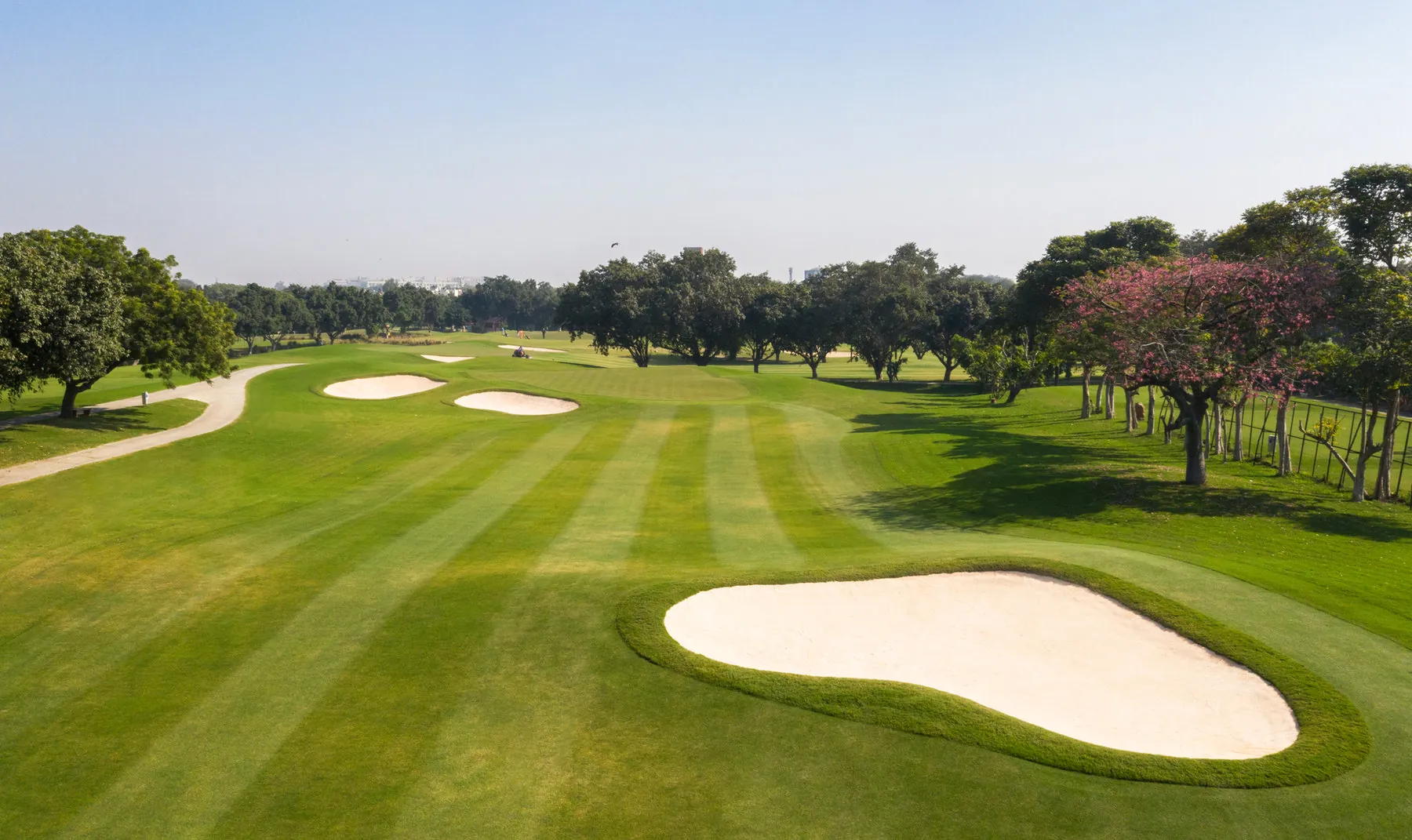
The golf course architect sets the routing, the strategy of each hole and the character of the course. A good design also considers maintenance from day one: mowing lines, drainage, access for machines and the size of greens all affect what the course will cost to run.
3. Construction
Construction is where design meets reality. Key stages include:
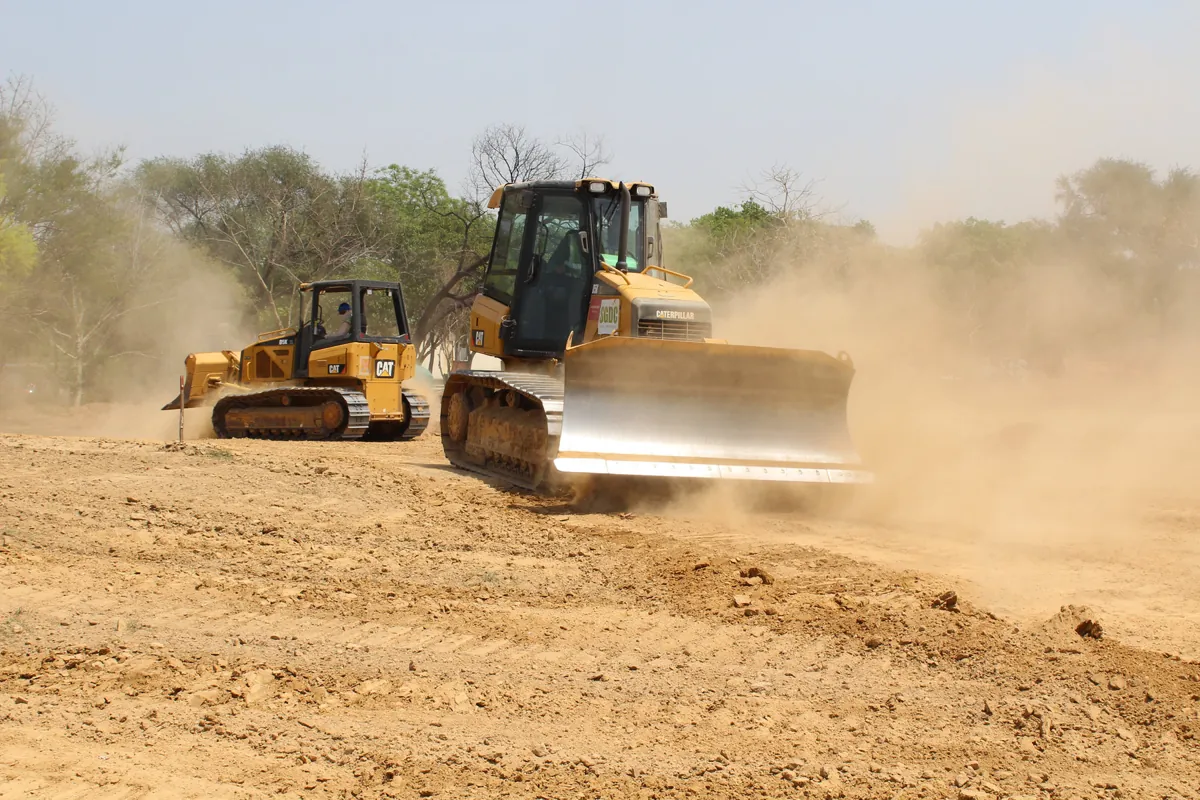
- Earthworks and shaping.
- Drainage installation, critical for monsoon resilience.
- Irrigation installation, with a properly designed system and central control.
- Construction of greens, tees and bunkers to an agreed specification.
- Cart paths, bridges and course infrastructure.
Building a golf course is a multi-year undertaking. The industry commonly plans around two to three years from start of construction to opening, depending on scale and conditions.
4. Grassing
Grass selection should be based on climate, water quality and how the course will be maintained. In much of India, warm-season grasses such as hybrid bermudagrass are a common choice for their heat and wear tolerance, while seashore paspalum is often considered where water quality is poor or salinity is a concern. Grow-in is a critical phase: a well-managed grow-in produces a stronger, more resilient course.
5. Equipping the course
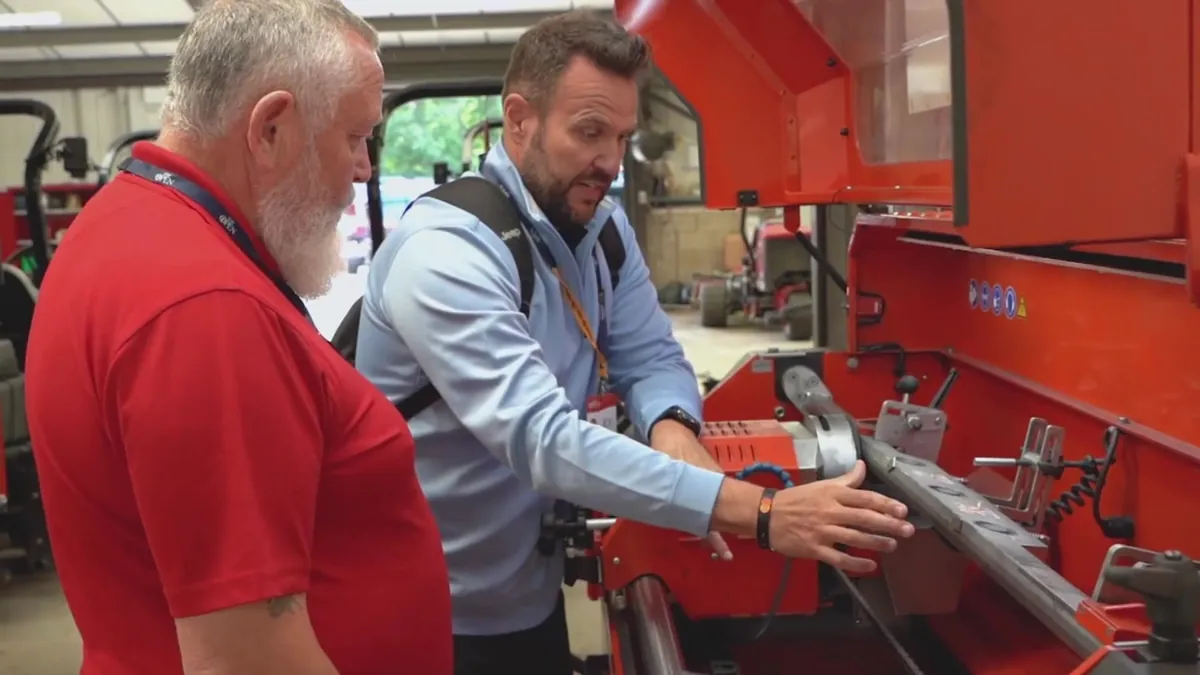
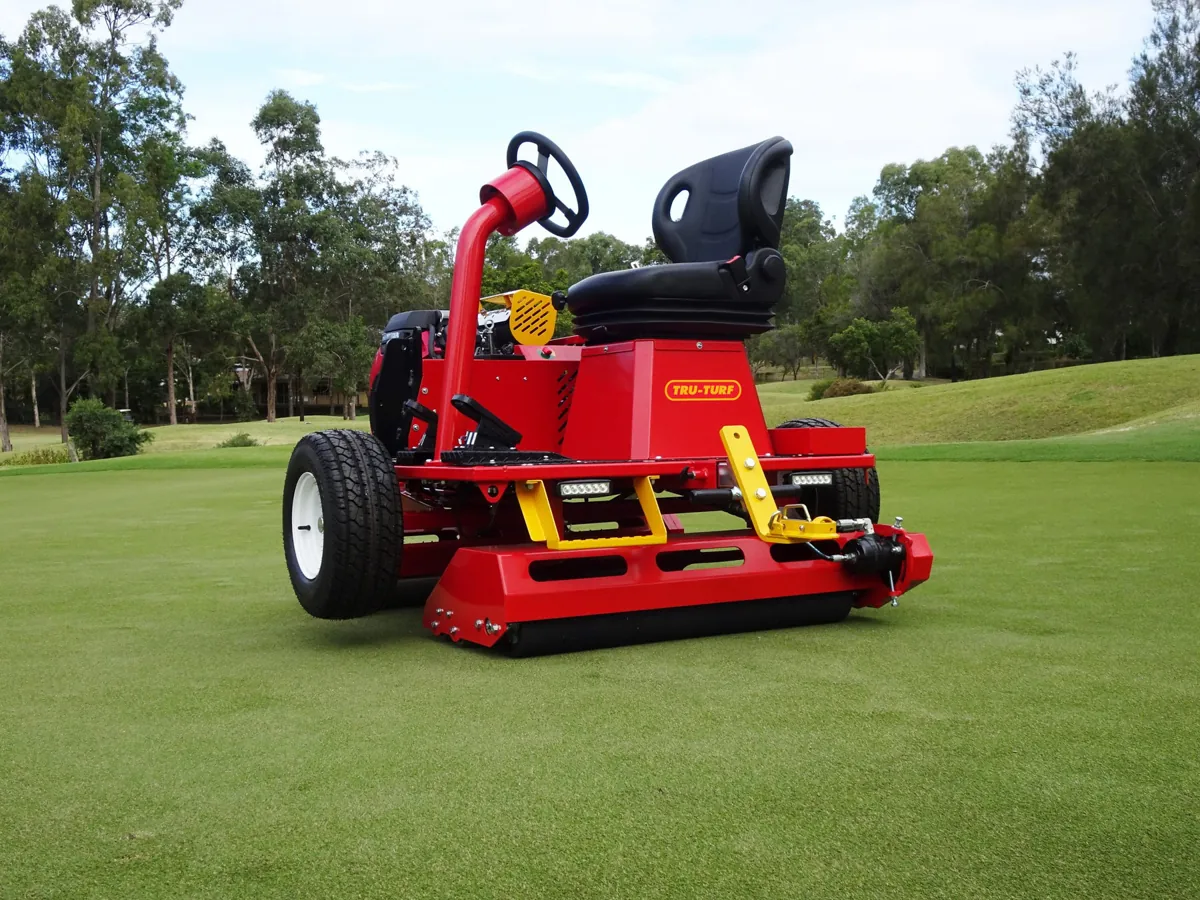
A course is only as good as its maintenance. Opening with the right fleet of mowers, aerators, rollers, sprayers, utility vehicles and golf carts, with spare parts and trained operators in place, avoids the common trap of a beautiful new course that declines in its first few seasons.
6. Operations and aftercare
The best projects plan beyond opening day: maintenance programmes, staff training, equipment service and long-term support.
Why integrated delivery matters
Golf course projects often stumble at the hand-offs, between designer and builder, builder and irrigation contractor, or construction team and maintenance team. An integrated partner who handles construction, irrigation, equipment and after-sales support keeps responsibility in one place.
SGDC Indian team has decades of combined experience in the Indian golf industry, and supplies leading turf, irrigation and golf cart brands including Jacobsen, Ransomes, Rain Bird and E-Z-GO.
If you are planning a golf course or sports development in India, start the conversation with SGDC India.