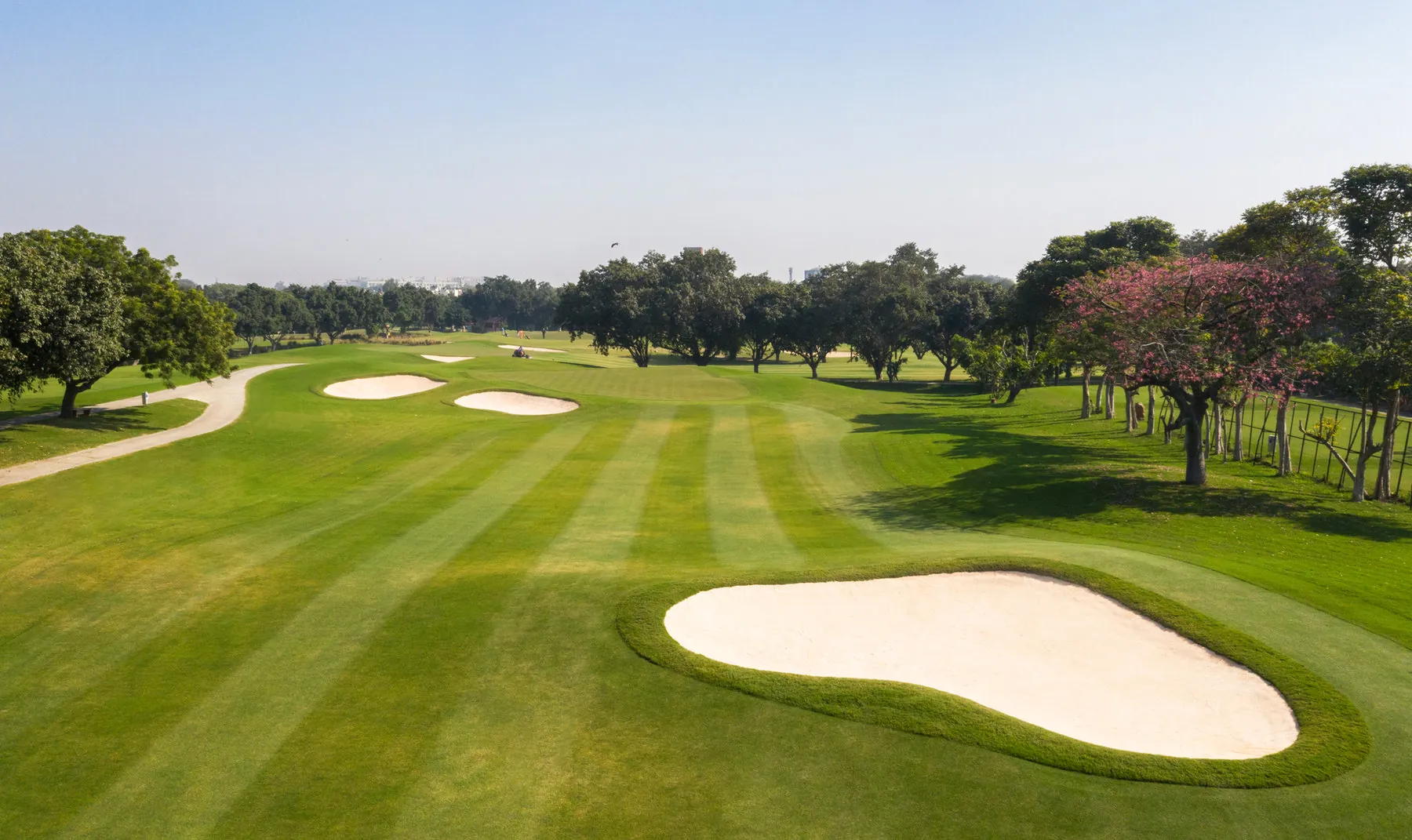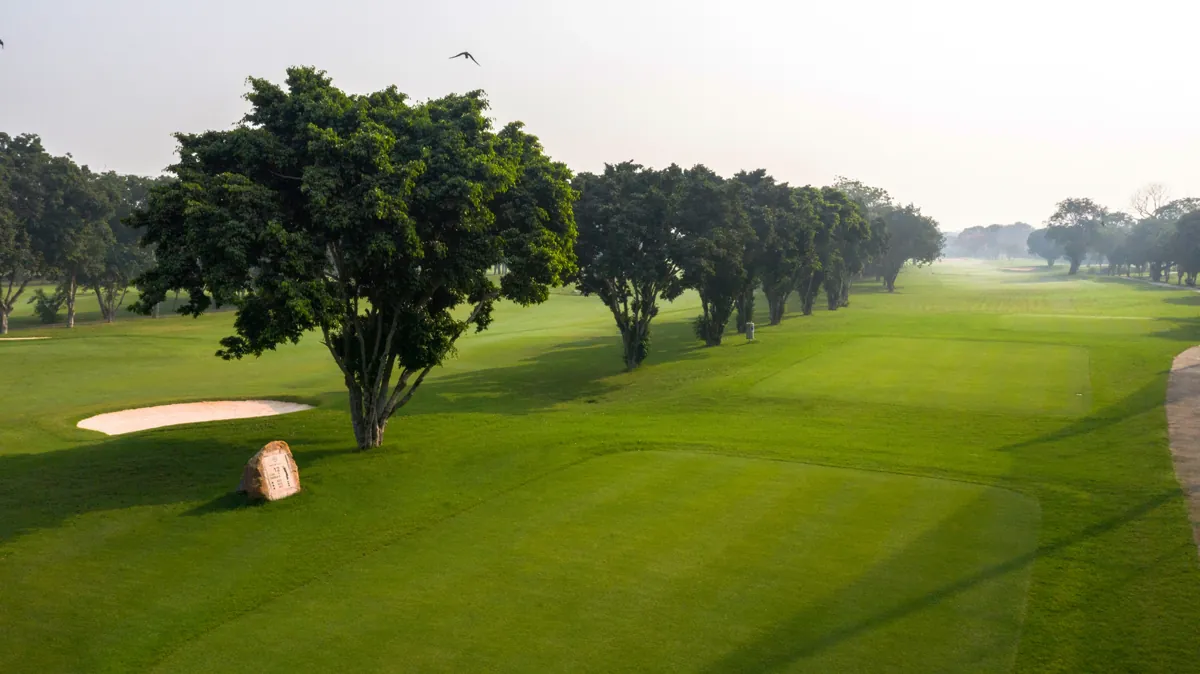
Everyone who calls SGDC India about a new course asks the same first question: what will it cost? After 21 years and more than 40 delivered projects across India, our honest answer is still a range, because two 18-hole courses on different sites can differ by a factor of three. What we can do is explain exactly what moves the number, so you can read any quotation with confidence.
The headline range
For an 18-hole course built to international standards in India, the construction cost, excluding land, typically sits in the tens of crores of rupees, and a championship course with extensive earthworks, lakes, cart paths and a full central-control irrigation system can run well beyond that. A nine-hole course or a compact executive course costs far less, but not half: the clubhouse, maintenance facility, pump station and irrigation mainline are needed whatever the hole count.
Treat any single figure you see online as a starting point, not a budget. The eight drivers below decide where a real project lands.
The eight cost drivers
- Earthworks. Flat, well-drained land needs little shaping. Rocky, waterlogged or steeply sloping land can make earthmoving the largest line on the bill. A topographic survey and soil tests before design are the cheapest money you will ever spend.
- Irrigation. A modern system with a Rain Bird central control such as CirrusPRO, rotors on every hole, a pump station and a reliable water source is a significant investment, and the one that most decides how the course plays in May. Under-sizing it to save money is the most common mistake we see.
- Drainage. The monsoon decides whether a course is open in August. Greens, bunkers and low fairway areas need engineered drainage, not hope. Capillary bunker construction costs more per bunker than a basic liner and saves that cost many times over in sand replacement and labour.
- Greens construction. USGA-specification greens with a gravel layer, sand rootzone and subsurface drainage cost more than push-up greens, and perform better for decades. The number of greens, their size and the amount of contouring all matter.
- Grassing. Hybrid bermudagrass or seashore paspalum, sprigged or sodded, and the area to be grassed. Wall-to-wall turf costs more than a course that keeps native areas out of play.
- Water features and bunkers. Lakes need lining and aeration; bunkers need liners, drainage and quality sand. Their number and style are design decisions with direct cost consequences.
- Cart paths, bridges and infrastructure. Concrete paths on all 18 holes, bridges over water, lighting and boundary work add up quickly.
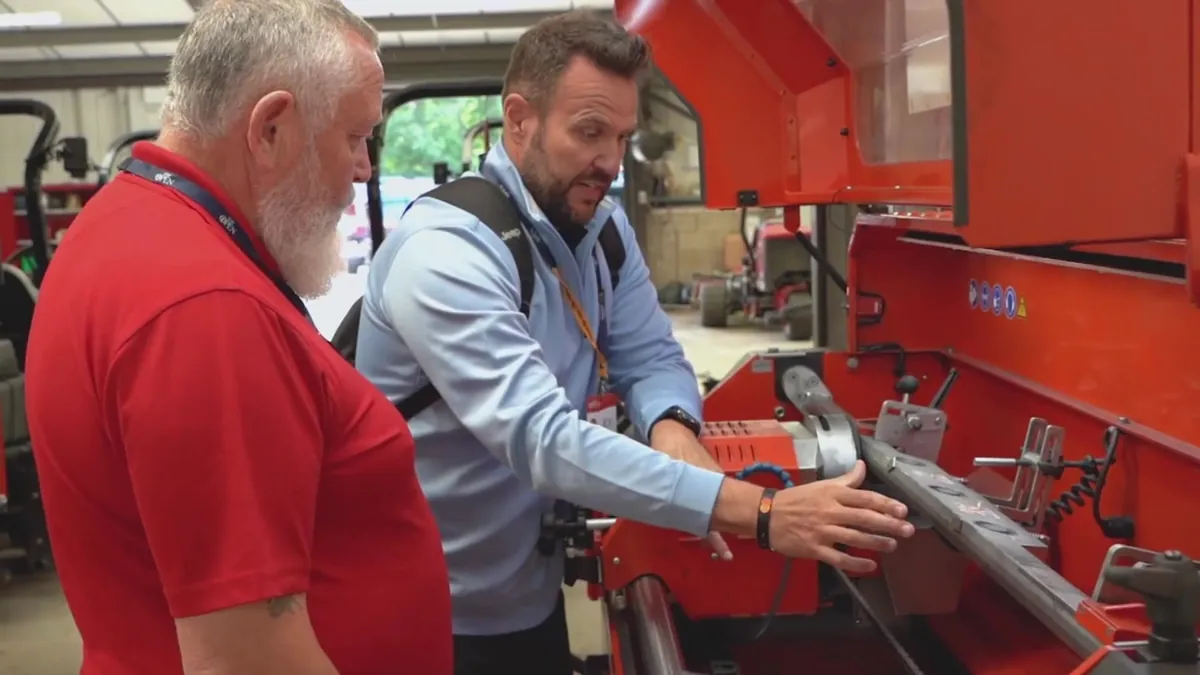
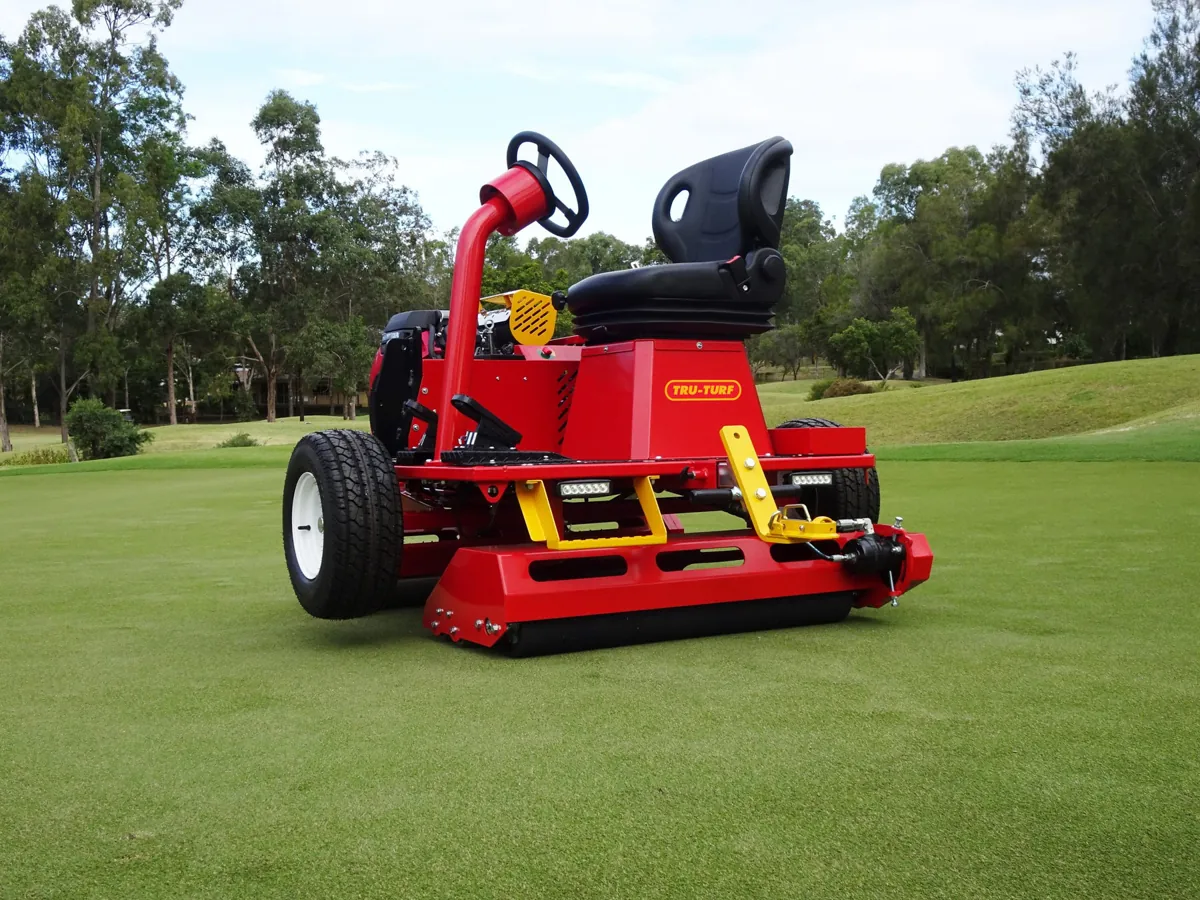
- Maintenance facility and fleet. A course needs a maintenance compound, a reel grinding workshop and a fleet of mowers, utility vehicles and golf carts before it opens. Buyers often leave this out of the construction budget and discover it at the end.
Design and consultancy fees
Golf course architect fees are usually a percentage of construction cost or a fixed fee per project, and a good architect saves far more than the fee by routing holes to the land rather than fighting it. SGDC works alongside architects and also offers design-and-build for developers who want one accountable partner from concept to completion.
Where developers overspend
- Changing the routing after earthworks have started.
- Importing sand and gravel over long distances when local materials could be tested and used.
- Building all 18 holes to tournament specification when the business case is a residential township.
- Buying the cheapest irrigation and bunker products, then paying for them every monsoon.
Where developers save
- Phasing: nine holes open while the second nine is built.
- Native and low-maintenance areas outside the line of play.
- Specifying lithium mowers and carts from day one, which cuts fuel and maintenance over the life of the fleet.
- Choosing a builder who also supplies and services the machinery, so the handover is one conversation.
How to get a real number
Send us the site location, the land area, any survey data and the kind of course you have in mind. We come back with a scope, a phased estimate and the irrigation and fleet plan the course will need, so the first figure you see is the one you can plan around.